
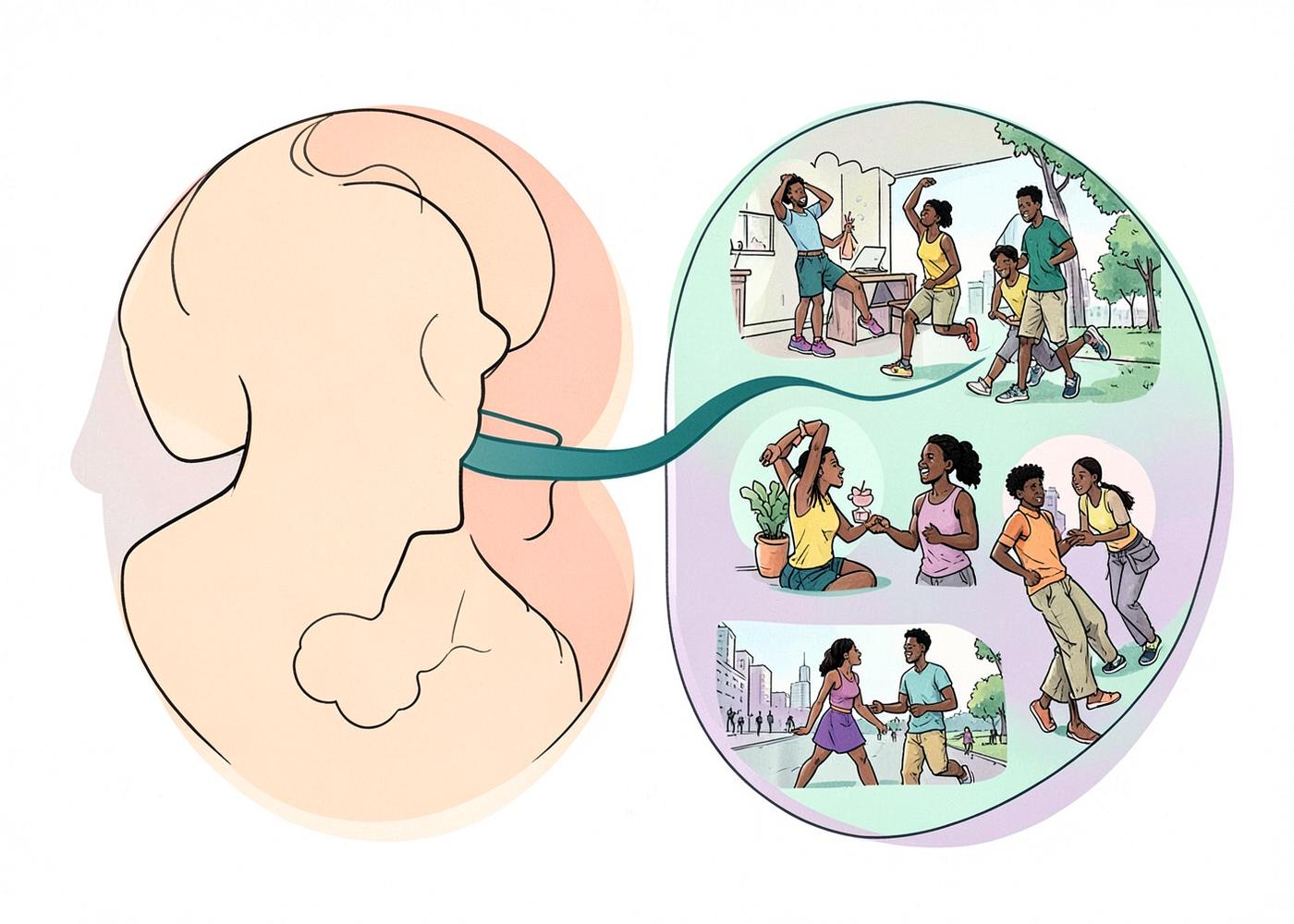
Healthy Relationships, Consent, and Sexual Wellbeing
Healthy relationships are built on mutual respect, open communication, and consent. Here is what that means in practice — and how to recognise when something is not right.
What Is Consent?
Consent is a clear, voluntary, and ongoing agreement to engage in a specific activity. Consent must be:
- Freely given — Without pressure, manipulation, or coercion.
- Informed — Both people understand what they are agreeing to.
- Reversible — Anyone can change their mind at any time, even during an activity.
- Enthusiastic — True consent is not just the absence of "no" — it is an active "yes."
- Specific — Saying yes to one thing does not mean saying yes to everything.
Consent Cannot Be Given When
- A person is unconscious, asleep, or incapacitated
- A person is under the influence of alcohol or drugs to the point they cannot make informed decisions
- A person is being threatened or coerced
- A person is below the legal age of consent (this varies by country)
Communication in Relationships
Healthy communication is the foundation of healthy relationships:
- Express your needs and feelings — Use "I" statements rather than accusations.
- Listen actively — Show genuine interest in your partner's perspective.
- Discuss boundaries — Talk about what you are and are not comfortable with.
- Address conflicts respectfully — Disagreements are normal; how you handle them matters.
- Talk about sex openly — Discuss desires, concerns, contraception, and testing.
Healthy Boundaries
Boundaries are limits that protect your physical, emotional, and mental wellbeing:
- You have the right to say no to anything you are not comfortable with.
- Healthy relationships respect each person's boundaries without guilt or punishment.
- Boundaries can change over time — and that is okay.
- Both partners should feel safe expressing their needs and limits.
Bodily Autonomy
Bodily autonomy means having the right to make decisions about your own body:
- This includes decisions about sexual activity, contraception, and reproduction.
- No one is entitled to your body, regardless of the relationship.
- Bodily autonomy is a fundamental human right recognised by international health and rights frameworks.
Red Flags and Coercion
Coercion is when someone pressures you into doing something you do not want to do. Watch for these warning signs:
- Pressure — Repeatedly asking after you have said no.
- Guilt-tripping — "If you loved me, you would..."
- Threats — Threatening to leave, to tell others, or to harm you or themselves.
- Isolation — Cutting you off from friends and family.
- Monitoring — Checking your phone, controlling your movements.
- Financial control — Controlling access to money or resources.
- Minimising — Downplaying your feelings or concerns.
- Blame-shifting — Making you feel responsible for their behaviour.
Coercion is not consent. Pressure is not consent.
Seeking Support
If you are in an unhealthy or abusive relationship:
- Talk to someone you trust — A friend, family member, counsellor, or healthcare provider.
- Contact a helpline — Many countries have domestic violence and relationship abuse hotlines.
- In Kenya — Gender-Based Violence hotline: 1195
- Globally — Search for local domestic violence services or contact an international helpline.
- Safety planning — If you are in danger, consider creating a safety plan with a professional.
You are not alone, and it is not your fault.
When to Seek Professional Help
Consider professional support if:
- You are in a relationship where you feel afraid, controlled, or unsafe.
- You have experienced sexual assault or coercion.
- You are struggling with the emotional impact of a past or current relationship.
- You want to improve communication in your relationship.
- You are concerned about a friend or family member's relationship.
Frequently Asked Questions
What if someone says yes but did not really want to?
Consent must be freely given. If someone felt pressured, coerced, or afraid to say no, that is not true consent. Creating an environment where both people feel safe and free to be honest is essential.
Can you withdraw consent during sex?
Yes. Anyone can change their mind at any time. If someone withdraws consent, the activity should stop immediately.
What is the difference between a disagreement and abuse?
Disagreements are a normal part of relationships. Abuse involves a pattern of control, coercion, manipulation, or intimidation. If you feel afraid of your partner, that is a warning sign.
Sources
Medical Disclaimer
This article is for educational purposes only and does not replace professional medical advice, diagnosis, or treatment. Always consult a qualified healthcare provider for personal medical decisions.
Have a question?
Get educational guidance from Hope AI without creating an account.
Premium, coming soon
See the planned deeper guides and saved conversations. Everything on this page stays free.