Menopause and Perimenopause: What Changes and What Helps
Menopause is a natural transition, not a disease. Understanding the changes your body goes through — and the options available — helps you navigate this phase with confidence.
What Is Menopause?
Menopause is defined as the point when a person has gone 12 consecutive months without a menstrual period (in the absence of other causes). It marks the end of reproductive years.
- Average age of menopause: Around 51, but it can occur anywhere from the mid-40s to mid-50s.
- Menopause before age 40 is considered premature menopause (premature ovarian insufficiency) and should be discussed with a healthcare provider.
Perimenopause
Perimenopause is the transition period leading up to menopause:
- Can begin several years before menopause (often in the mid-40s, sometimes earlier).
- Characterised by fluctuating hormone levels, particularly oestrogen.
- Symptoms can vary widely in type and severity.
- You can still get pregnant during perimenopause — contraception should be used until menopause is confirmed.
Common Symptoms
Not everyone experiences all symptoms, and severity varies greatly:
Hot Flushes (Hot Flashes)
Sudden feelings of heat, often in the face, neck, and chest. May be accompanied by sweating and skin reddening. They can last from seconds to several minutes.
Night Sweats
Hot flushes that occur during sleep, sometimes causing disrupted sleep.
Vaginal Dryness
Decreased oestrogen can cause vaginal dryness, discomfort during sex, and increased susceptibility to urinary tract infections.
Changes in Libido
Sexual desire may change — it may decrease for some and change in other ways for others.
Urinary Changes
Increased frequency of urination or urinary incontinence.
Joint and Muscle Aches
Some people experience increased joint stiffness or muscle aches.
Skin and Hair Changes
Skin may become drier and less elastic. Hair may thin.
Weight Changes
Metabolism may slow, and weight distribution may change (particularly around the abdomen).
Cycle Changes
During perimenopause, periods may become:
- Irregular — Cycles may become shorter, longer, or unpredictable.
- Heavier or lighter than usual.
- More or less frequent.
- Eventually, periods stop altogether.
Important: Abnormal bleeding (very heavy periods, bleeding between periods, or bleeding after sex) should always be evaluated by a healthcare provider, even during perimenopause.
Mood, Sleep, and Emotional Wellbeing
Hormonal changes can affect mood and emotional wellbeing:
- Mood changes — Irritability, anxiety, or low mood are common.
- Sleep disturbances — Night sweats and hormonal changes can disrupt sleep.
- Brain fog — Difficulty concentrating or memory lapses.
- Fatigue — Persistent tiredness.
These symptoms can also be related to other factors (life changes, stress, sleep disruption). If they are affecting your quality of life, support is available.
What Helps
Lifestyle
- Regular exercise can help with mood, sleep, weight management, and bone health.
- Balanced diet rich in calcium and vitamin D supports bone health.
- Reducing triggers — Some people find that caffeine, alcohol, spicy food, or stress trigger hot flushes.
- Staying cool — Layered clothing, fans, and cool sleeping environments can help with hot flushes.
Vaginal Health
- Vaginal moisturisers and lubricants can help with dryness.
- Topical oestrogen (available by prescription) can be very effective for vaginal dryness and urinary symptoms.
Medical Options
- Hormone Replacement Therapy (HRT) — Replaces oestrogen (and sometimes progesterone). Can be very effective for managing hot flushes, night sweats, and vaginal dryness. Has benefits and risks that should be discussed with a healthcare provider.
- Non-hormonal medications — Some medications can help with specific symptoms like hot flushes. Discuss options with your healthcare provider.
Emotional Support
- Talking therapies (such as CBT) can help with mood changes and anxiety.
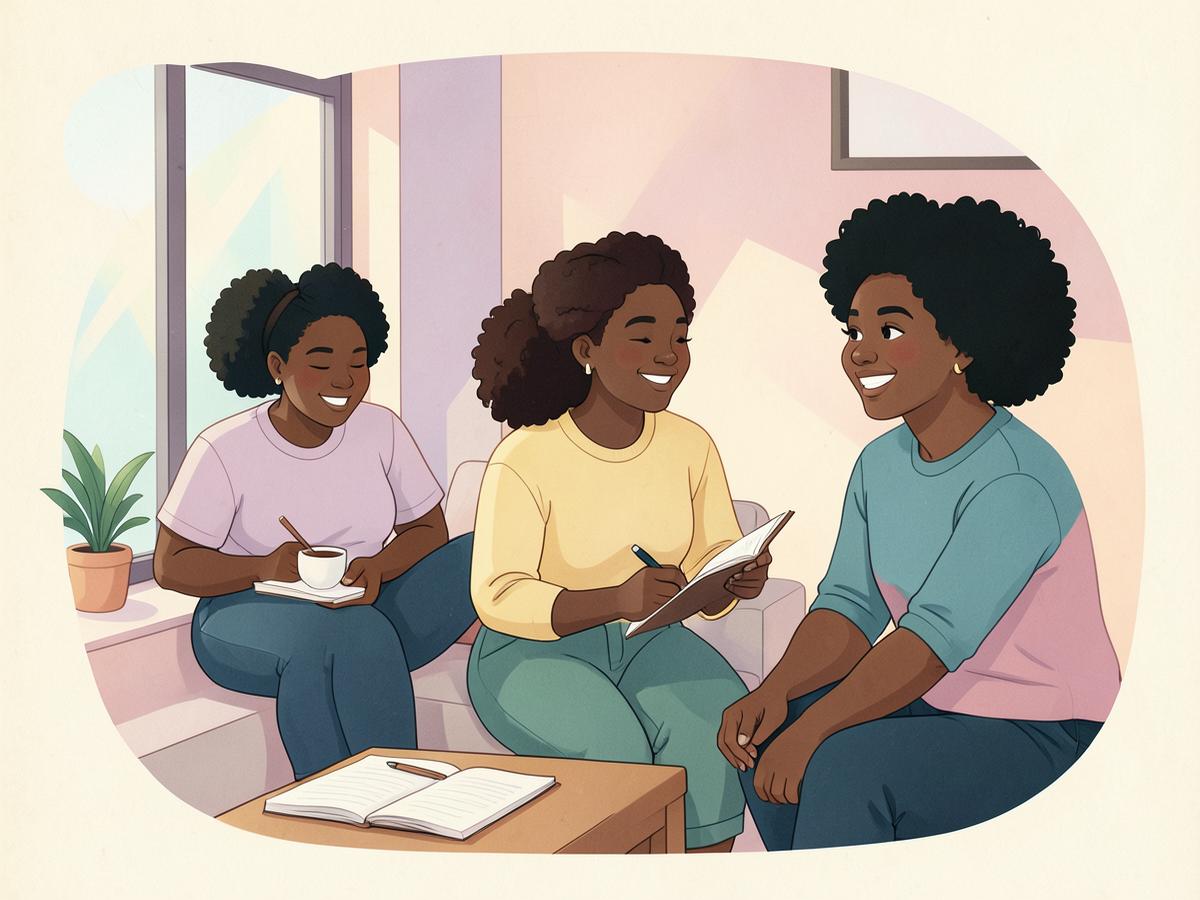
- Support groups — Connecting with others going through similar experiences.
- Self-care — Prioritising rest, enjoyable activities, and social connections.
When to See a Doctor
See a healthcare provider if:
- Symptoms are significantly affecting your quality of life.
- You are experiencing very heavy bleeding, bleeding between periods, or bleeding after sex.
- You are under 45 and your periods have become irregular or stopped.
- You are experiencing mood changes that feel unmanageable.
- You want to discuss HRT or other treatment options.
- You have concerns about bone health.
- You are experiencing symptoms that worry you.
Menopause is a natural transition, and you do not have to simply "put up with" difficult symptoms. Support and treatment options are available.
Frequently Asked Questions
At what age does menopause usually start?
The average age of menopause is around 51, but it can occur anywhere from the mid-40s to mid-50s. Perimenopause (the transition) can begin several years earlier.
Can I still get pregnant during perimenopause?
Yes. Until you have gone 12 consecutive months without a period, pregnancy is possible. Contraception should be used until menopause is confirmed.
Is HRT safe?
HRT can be very effective for managing menopause symptoms. Like all medications, it has benefits and risks that depend on individual factors. Discuss with your healthcare provider to make an informed decision.
Sources
Medical Disclaimer
This article is for educational purposes only and does not replace professional medical advice, diagnosis, or treatment. Always consult a qualified healthcare provider for personal medical decisions.
Have a question?
Get educational guidance from Hope AI without creating an account.
Premium, coming soon
See the planned deeper guides and saved conversations. Everything on this page stays free.