Boundaries Without the Guilt: Friends, Relationships and Group Chats
Boundaries help relationships feel safe. Here are simple words for saying no, signs of control, and how to support a friend without carrying it all.
Educational information — not individually medically reviewed. This guide was drafted with AI assistance and edited for SafeBody.talk using the public sources listed below. It cannot assess your situation. For personal advice, speak with a qualified health professional.
In short: a boundary is a clear, kind statement about what you are and aren't okay with. People who care about you can respect it. You can change your mind, and you don't owe anyone your passwords, location or instant replies.
What boundaries are
Boundaries can be about time ("I can't talk tonight"), space ("Please knock first"), your body ("I don't want a hug right now"), your phone ("I don't share my passwords") or topics ("I'm not comfortable discussing that"). Learning about respect, consent and healthy relationships is a core part of good relationships education (WHO; UNESCO).
Consent — to touch, sex, photos or sharing — must be freely given and can be withdrawn at any time. Saying yes once doesn't mean yes always.
Words you can use
Copy, adapt, keep it short
- "No, thanks." (You can stop there.)
- "I'm going to reply later — I'm taking a break from my phone."
- "I'd rather not share my password or location, but I'm happy to text when I get home."
- "I've changed my mind, and that's okay."
- "That joke made me uncomfortable. Can we not?"
- "I'm muting this chat for a bit — I'll catch up later."
Feeling guilty after setting a boundary is common, especially if you're used to keeping everyone happy. Guilt doesn't mean you did something wrong.
Supportive vs controlling
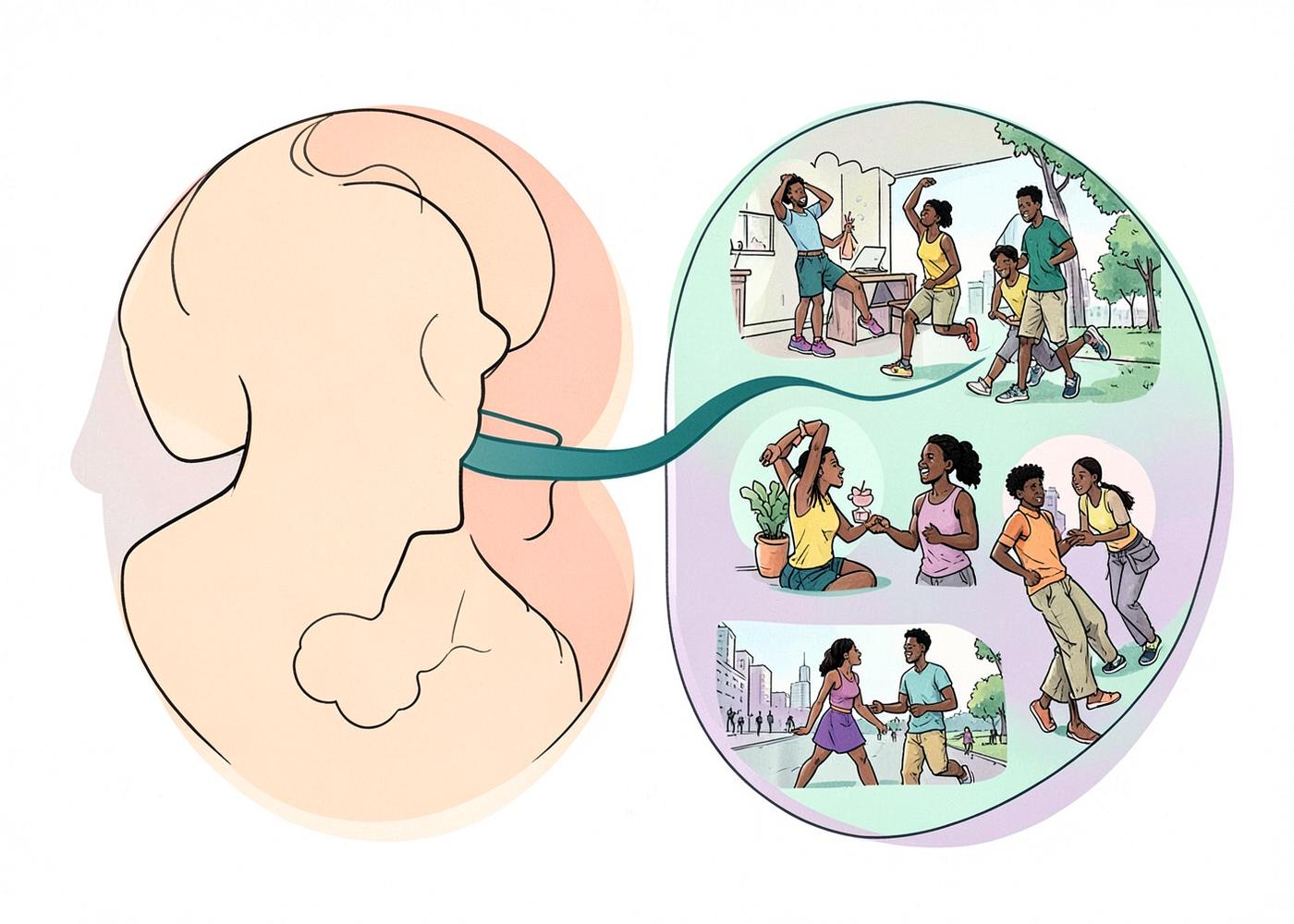
Supportive friends or partners respect "no", let you spend time with others, accept slower replies, and talk through disagreements without threats.
Controlling behaviour can include checking your phone, demanding passwords or constant location sharing, getting angry when you don't reply, isolating you from friends, pressure about sex or photos, or threats. If you notice these signs, you don't have to confront the person. Put your safety first: talk to someone you trust, plan how to stay safe, and contact a support service. Our Healthy Relationships guide and GBV support page have more.
Group chats can also involve pressure, exclusion or bullying. UNICEF's cyberbullying guidance explains how to report, block and get support.
Helping a friend
Listen, believe them and avoid judging. Ask what they want. Encourage them to reach a trusted adult, counsellor or service — and you can offer to go with them. You don't have to be their only support, and looking after yourself is allowed.
An AI tool like Hope AI can help you think through what to say, but it isn't a friend, a counsellor or an emergency service.
If you are in immediate danger, contact your local emergency number now. Kenya-specific: see Emergency Help for national helplines such as Childline Kenya (116) and the GBV line (1195). Outside Kenya, please use your local emergency, child-protection or health services.
For younger readers
Good friends take turns, share, and say sorry when they get it wrong. It's okay to have different friends for different things. You can say "no" to hugs, tickling or touch you don't like — even from family — and safe adults will listen. A safe adult is someone who keeps you safe and never asks you to keep secrets about touching or photos. If something feels wrong, tell a safe adult, and if they don't help, tell another one.
Frequently asked questions
Answers to common questions are below.
Frequently Asked Questions
Is it rude not to reply to messages straight away?
No. You're allowed to reply when you're ready. A short 'I'll reply later' can help.
Should a partner know my passwords?
You don't have to share passwords or constant location to prove trust. Pressure to do so can be a sign of control.
Should I confront someone who is controlling me?
Not necessarily. Focus on safety first: talk to someone you trust and contact a support service.
Sources
Medical Disclaimer
This article is for educational purposes only and does not replace professional medical advice, diagnosis, or treatment. Always consult a qualified healthcare provider for personal medical decisions.
Have a question?
Get educational guidance from Hope AI without creating an account.
Free Resource Library
All current guides and learning resources are free to access. No payment details required.